

Research & Industry Insights
Advancing Sustainability Through Research
At Green Salon Collective, sustainability starts with evidence.
Our original research explores the environmental challenges and opportunities facing the professional hair and beauty industry. Working alongside industry experts, salon professionals and academic partners, we investigate everything from salon waste and chemical disposal to hair recycling, circular economy solutions and sustainable innovation.
Our research is designed to help salons, manufacturers, educators and policymakers make informed decisions that create measurable environmental impact.
Whether you're looking for industry statistics, practical guidance or the latest sustainability insights, our research hub brings together the evidence shaping the future of sustainable salons.
Why Our Research Matters
Unlike general sustainability reports, our research focuses specifically on the professional hair and beauty industry.
Our studies investigate real salon operations, providing practical recommendations supported by data rather than assumptions.
Topics include:
- Salon waste management
- Hair recycling
- Chemical waste
- Water consumption
- Energy use
- Sustainable products
- Circular economy innovation
- Consumer attitudes
- Green Fees
- Compostable alternatives
Every report contributes to a growing body of evidence that supports more sustainable decision-making across the industry.
Explore Our Research
Each report includes:
- Executive summary
- Key findings
- Industry statistics
- Practical recommendations
- Downloadable PDF
- Related articles
- Further reading
Research Themes
Salon Sustainability
Helping businesses understand how to reduce environmental impact while improving operational performance.
Hair Recycling
Exploring innovative ways human hair can be reused through circular economy initiatives.
Chemical Waste
Investigating the environmental impact of salon chemicals and identifying responsible management solutions.
Circular Economy
Research into how waste materials can become valuable resources rather than landfill.
Sustainable Products
Evaluating products, packaging and innovations that reduce resource consumption across the salon industry.
Research Impact
Our research has helped:
- Inform salon sustainability strategies.
- Support industry education.
- Improve recycling programmes.
- Encourage innovation.
- Raise awareness of environmental challenges.
- Drive conversations across the professional hair and beauty sector.

Chemical Waste within hairdressing
Executive Summary
Hair colouring, bleaching and chemical treatments are a core part of modern salon services, but they also generate one of the industry's most overlooked waste streams. The Chemical Waste within Hairdressing report investigates how chemicals are used, wasted and disposed of in UK salons, highlighting the environmental, financial and operational consequences of current practices.
Drawing on Green Salon Collective waste collection data, industry insights and partner research, the report reveals that a significant proportion of salon chemicals never reach a client's hair. Instead, they are overmixed, poured down sinks or disposed of through general waste, creating unnecessary costs for businesses while contributing to environmental pollution.
The research estimates that the average salon uses approximately 85.3 kg of colour chemicals each year, with around 22.9 kg (26%) wasted annually. This equates to more than £2,500 worth of product per salon every year, while, across the UK, an estimated over 600 tonnes of salon chemicals are wasted annually. Much of this waste has traditionally entered wastewater systems or landfill, despite the availability of more sustainable alternatives.
The report explores why chemical waste occurs, including over-mixing, inaccurate colour formulation and inefficient working practices. It also examines the environmental and health impacts of common salon chemicals and explains why responsible waste management is becoming increasingly important for the professional hair and beauty industry.
Importantly, the research doesn't simply identify the problem—it provides practical solutions. Technologies that improve colour accuracy, specialist chemical waste recycling services and better staff training all have the potential to reduce waste dramatically. Some salons have reported saving thousands of pounds each year by reducing unnecessary colour waste through improved measuring and dispensing systems.
Ultimately, the report demonstrates that reducing chemical waste delivers multiple benefits. Salons can lower operating costs, reduce environmental impact, improve sustainability credentials and contribute to a more circular hair and beauty industry. The findings reinforce that chemical waste management should be viewed not as a compliance exercise, but as an opportunity to improve both business performance and environmental outcomes.
Benefits of Hair for Houseplants
Executive Summary
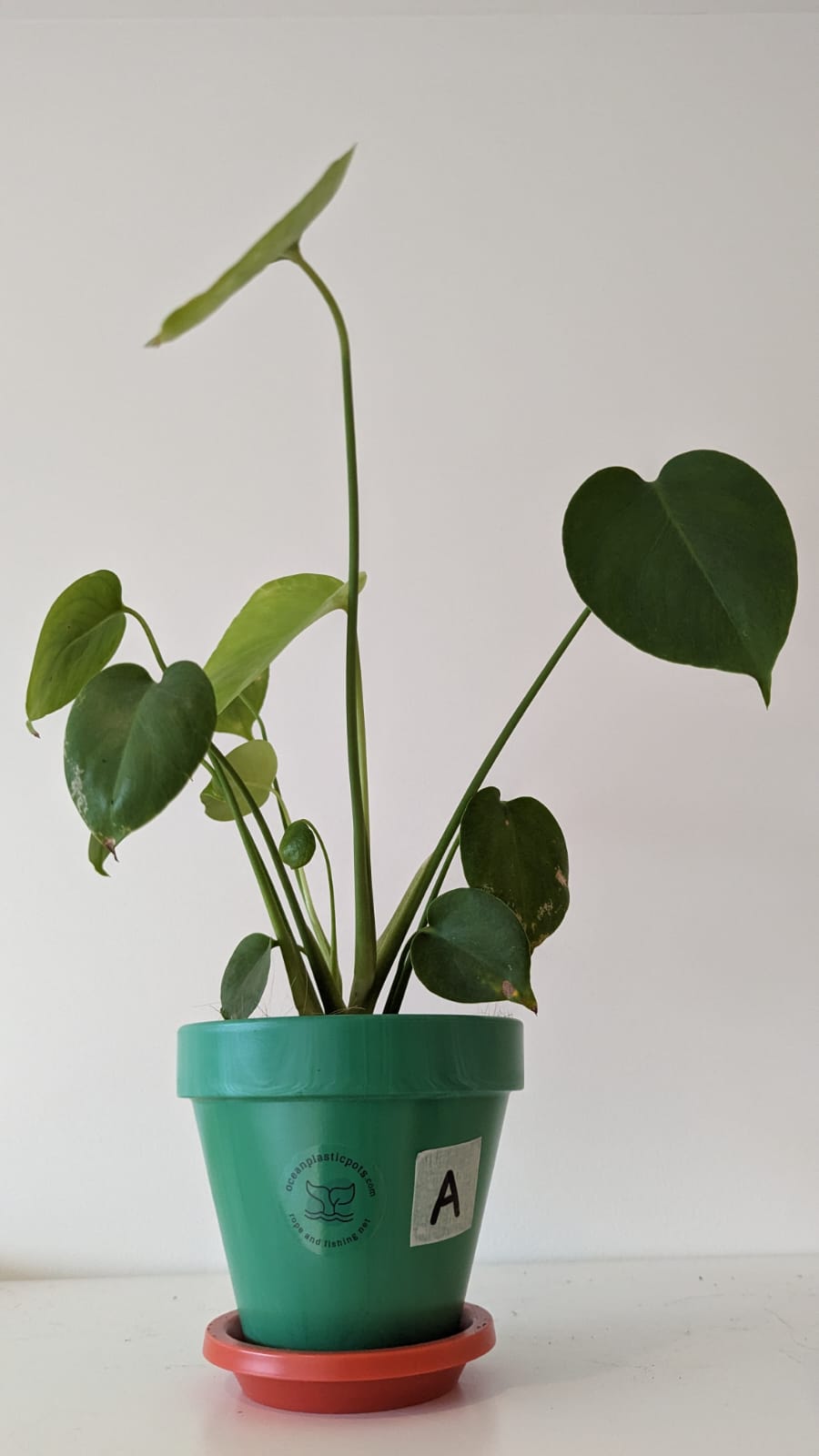
Every year, thousands of tonnes of human hair are discarded by salons, despite hair being a naturally renewable material with unique properties that make it valuable beyond the salon floor. The Benefits of Hair for Houseplants (Potting Felt) report explores whether recycled salon hair can be transformed into a sustainable alternative to conventional plastic-based gardening products by using it as a potting felt for houseplants.
Conducted over almost a year, the research compared plant growth and health using recycled hair felt in different applications, including pots with and without the felt and with the material placed in different positions. The aim was to understand whether human hair could improve moisture retention, reduce watering requirements and provide nutrients to plants while creating a valuable second life for salon waste.
The findings demonstrate that recycled salon hair offers several environmental benefits when used as a potting felt. The study identified four key advantages: improved water retention, a gradual release of nitrogen as the hair naturally decomposes, support for healthier plant growth and the potential to deter certain pests. Together, these properties suggest that hair felt could become an effective, biodegradable alternative to synthetic horticultural materials while reducing the amount of hair sent to landfill.
The report also highlights the wider importance of viewing human hair as a resource rather than a waste product. Hair is naturally rich in nitrogen and has exceptional durability, making it suitable for a growing range of circular economy applications. Potting felt represents one of several innovative projects being developed by Green Salon Collective's research team to find practical, scalable uses for recycled salon hair that create environmental value while reducing waste.
Beyond its horticultural benefits, the research demonstrates the potential of collaboration between the hair industry, environmental researchers and product innovators. By developing new uses for materials that have traditionally been discarded, salons can contribute to a more circular economy while helping reduce reliance on virgin materials and single-use plastics.
Ultimately, the report concludes that recycled salon hair has significant potential as a sustainable growing medium and soil-enhancing material. Potting felt not only provides measurable benefits for plants but also offers an innovative solution to one of the hair industry's largest waste streams. The project demonstrates how research and innovation can transform an everyday salon by-product into a valuable environmental resource, reinforcing Green Salon Collective's mission to create practical, science-led solutions for a more sustainable hair and beauty industry.
Mirror Talkers
Executive Summary
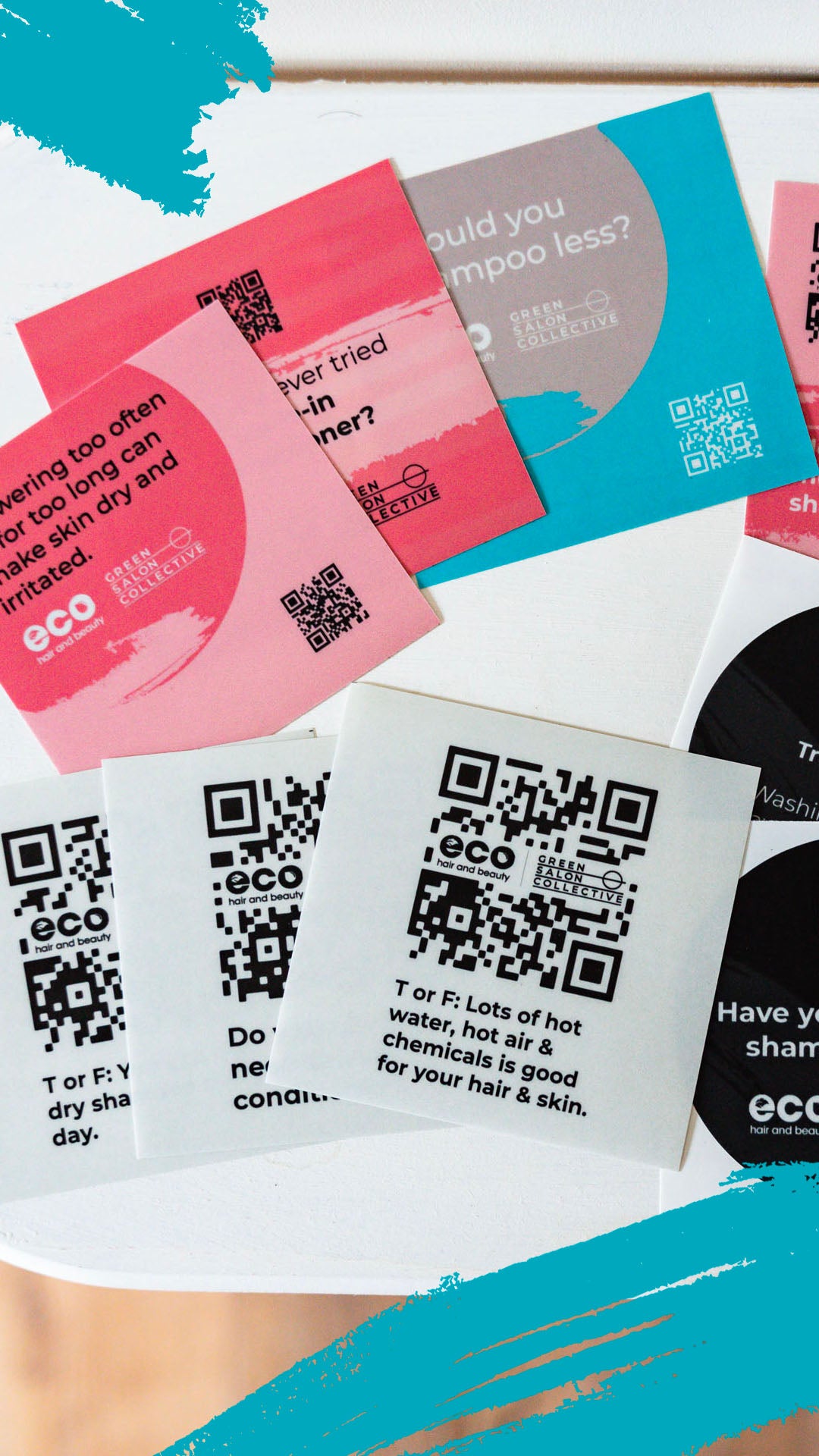
The Mirror Talkers Study explored whether simple sustainability messages displayed on salon mirrors could encourage meaningful conversations between hairdressers and clients about environmentally responsible haircare. Conducted as a 12-month pilot study by Professor Denise Baden from the University of Southampton in partnership with Green Salon Collective, the research investigated whether these conversations could influence consumer behaviour while reducing the environmental impact of everyday haircare routines.
Hairdressers speak to hundreds of clients every year, placing them in a unique position to influence sustainable behaviours. The study tested a series of "Mirror Talkers"—small prompts displayed on salon mirrors that encouraged discussions around topics such as reducing hot water use, shampooing less frequently, choosing more sustainable haircare products and lowering household energy consumption. Participating salons also received supporting training and educational materials to help stylists feel confident leading these conversations.
The findings suggest that the Mirror Talkers successfully encouraged conversations between stylists and clients about sustainable haircare. Most participating hairdressers reported feeling confident discussing the topics, while clients responded positively to the experience. Around 73% of clients said they were likely or very likely to change their haircare routine following these conversations, with many expressing greater awareness of how simple changes could reduce water and energy use at home.
The research also identified wider benefits for salons. Conversations prompted by the Mirror Talkers helped increase awareness of sustainable products, with some participating businesses reporting higher sales of products such as leave-in conditioners and dry shampoo that support lower water consumption. Salon owners also noted that sustainability discussions strengthened relationships with clients, reinforced their environmental values and enhanced the professionalism of their teams.
An important finding was that the effectiveness of the Mirror Talkers depended on stylist confidence. Salons that received training and educational support were more successful at engaging clients in meaningful conversations. The study concluded that combining simple visual prompts with practical sustainability education empowers hairdressers to become trusted advocates for positive environmental change rather than simply providers of salon services.
Ultimately, the report demonstrates that salons have the potential to influence sustainability far beyond their own operations. By encouraging small changes in clients' everyday haircare routines, such as reducing unnecessary shampooing, shortening shower times or choosing more sustainable products, the industry can contribute to significant reductions in household water and energy consumption. The Mirror Talkers project highlights how behavioural science, education and trusted client relationships can work together to create meaningful environmental impact, positioning hairdressers as influential ambassadors for sustainable living.

Disposable Salon Towels
Executive Summary
Salon towels are one of the most frequently used products in hairdressing, yet their environmental impact has historically received little attention. The Industry Audit Report: Salon Towels examines how towels are used across the professional hair industry and compares the environmental implications of reusable cotton towels with disposable cellulose-based alternatives. The report combines salon industry feedback with life cycle assessment (LCA) research to provide evidence-based recommendations for reducing the environmental impact of towel use.
The research found that there is no single "perfect" towel solution. Instead, environmental performance depends largely on how towels are used rather than simply whether they are disposable or reusable. While reusable cotton towels avoid single-use waste, they require repeated washing and tumble drying, consuming significant amounts of water, electricity and detergent throughout their lifetime. Conversely, disposable towels manufactured from 100% cellulose fibres can have a lower overall environmental impact when used efficiently and disposed of responsibly through certified composting systems.
One of the report's key findings is that disposable cellulose towels generally perform better than reusable cotton towels across several environmental indicators when only one towel is used per client visit. However, using multiple disposable towels for a single appointment rapidly reduces these benefits, making efficient towel management an important factor in lowering environmental impact. The report also highlights that premium or extra-thick disposable towels require more material and therefore have a greater environmental footprint than standard-weight alternatives.
The research also explored the role of end-of-life disposal. Certified compostable cellulose towels retain environmental value when composted correctly, returning organic material to the soil rather than being sent to landfill. The report recommends that salons verify any compostability claims made by manufacturers and prioritise independently certified products wherever possible. For salons using reusable cotton towels, reducing reliance on tumble dryers, choosing certified organic cotton and improving laundry efficiency can significantly reduce environmental impacts.
Rather than promoting one product over another, the report concludes that responsible towel management should form part of a broader salon sustainability strategy. Practical recommendations include minimising towel use wherever possible, selecting products based on the service being performed, composting certified cellulose towels, improving laundry practices for reusable towels and avoiding unnecessary resource consumption. By focusing on how towels are selected, used and disposed of, salons can reduce water consumption, lower carbon emissions and minimise waste while maintaining high standards of client care.
Ultimately, the Salon Towels report demonstrates that even everyday operational decisions can have a significant environmental impact. Through evidence-based guidance and practical recommendations, the research helps salon owners make informed choices that balance client experience with environmental responsibility. The findings reinforce Green Salon Collective's wider mission to provide science-led sustainability solutions that help the hair and beauty industry reduce its footprint while building more resilient, future-focused businesses.
Hair in Soil
Executive Summary
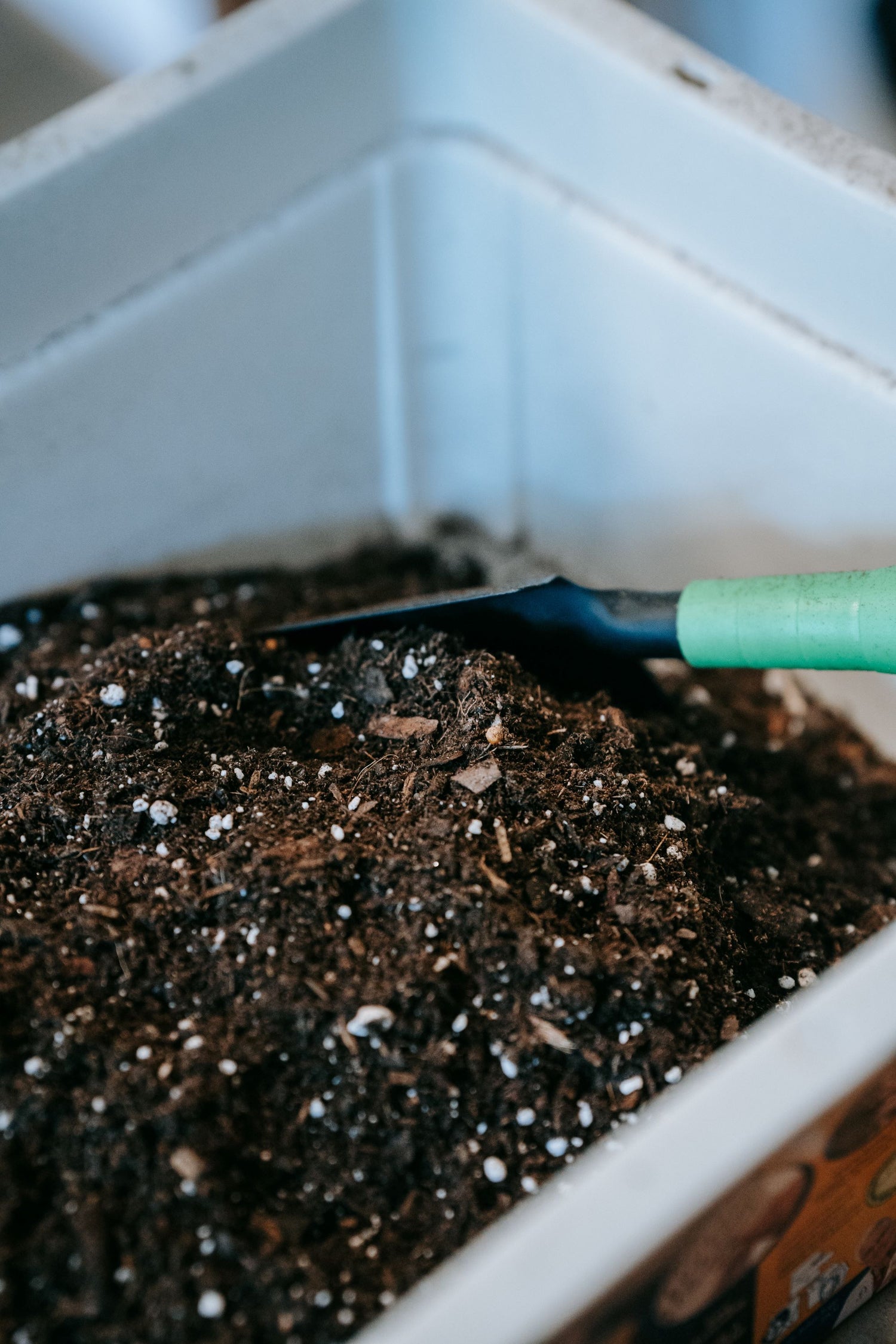
Human hair is one of the most abundant yet overlooked waste materials generated by the hair and beauty industry. The Hair in Soil report investigates whether recycled salon hair can safely and effectively be used in compost and agriculture, exploring its potential to improve soil health while providing a valuable circular economy solution for salon waste.
Green Salon Collective commissioned the study to better understand the long-term impact of composting human hair. As the organisation recycles increasing volumes of salon hair, ensuring this material is both environmentally beneficial and safe for agricultural use is essential. The report reviews scientific evidence, compost testing and the nutrient profile of human hair to determine whether it can become a valuable soil resource rather than a waste product.
The findings show that human hair is naturally rich in keratin, a durable protein containing high levels of nitrogen. As hair slowly decomposes, it releases nitrogen and other nutrients into the soil over an extended period, acting as a slow-release fertiliser. This gradual decomposition can improve soil fertility, encourage microbial activity and support healthier plant growth while reducing reliance on synthetic fertilisers.
The report also confirms that commercially composted salon hair can be safely incorporated into regulated composting systems. Testing demonstrated that compost containing recycled salon hair met recognised quality standards, providing confidence that hair can become part of a safe, environmentally responsible composting process. Rather than sending hair to landfill, where it decomposes slowly and provides little environmental value, composting transforms it into a nutrient-rich resource that supports healthier soils and more sustainable agriculture.
Beyond composting, the report highlights wider opportunities for using recycled hair within regenerative agriculture and horticulture. Human hair has been shown to improve moisture retention, reduce soil erosion and provide a long-lasting source of nutrients because it breaks down more slowly than many traditional organic materials. These characteristics make it a promising material for applications such as mulches, soil conditioners and other nature-based growing solutions.
Ultimately, the report concludes that human hair should no longer be viewed as waste but as a valuable natural resource. By redirecting salon hair into composting and agricultural applications, the hair and beauty industry can reduce landfill waste, support healthier soils and contribute to a more circular economy. The research reinforces Green Salon Collective's commitment to finding science-led, practical uses for salon waste that deliver measurable environmental benefits while helping salons play an active role in restoring ecosystems and reducing their environmental footprint.